

The Vireo Advisors blog brings you the latest news and developments in safe, sustainable and bio-based materials and products including novel foods and sustainable nanomaterials.

Project Coordinated By Vireo Advisors at the OECD WPMN Publishes Final Reports on Advancing Adverse Outcome Pathway Development for Nanomaterial Risk Assessment and Categorization
The outcomes from an Organization for Economic Co-operation and Development (OECD) Working Party on Manufactured Nanomaterials (WPMN) project, “Advancing Adverse Outcome Pathway (AOP) Development for Nanomaterial Risk Assessment and Categorization” (NanoAOP) have been officially published in a series of final reports.
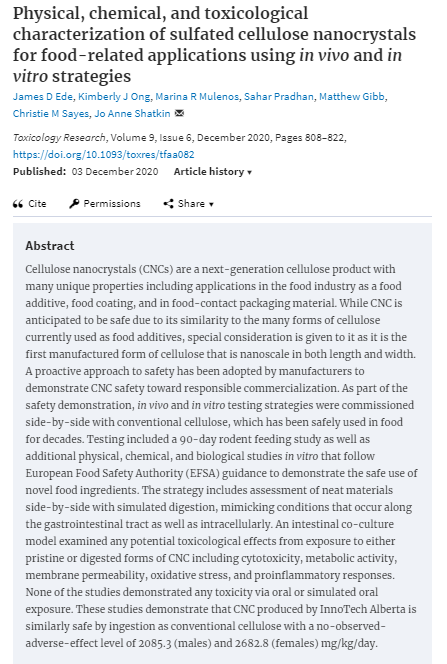
Vireo Publishes “Physical, chemical, and toxicological characterization of sulfated cellulose nanocrystals for food-related applications using in vivo and in vitro strategies”
Vireo Advisors, LLC, in collaboration with Baylor University and the Alliance for Food Safety Acceptance of Fibrillated and Crystalline Celluloses (AFSAC), has published “Physical, chemical, and toxicological characterization of sulfated cellulose nanocrystals for food-related applications using in vivo and in vitro strategies”, available in the journal Toxicology Research.

The ethical way to alter organisms
Kevin Esvelt, one of the inventors of CRISPR-based gene drive, offers advice on how to ethically develop and use these technologies to block the spread of animal-borne diseases, reduce pests without the use of toxins, and provide solutions to conservation problems.

Baruch Fischhoff: The importance of testing messages
Psychologist Barry Fischhoff, an authority on the science of decision-making, explains the importance of testing COVID-19 messages before releasing them to the public.
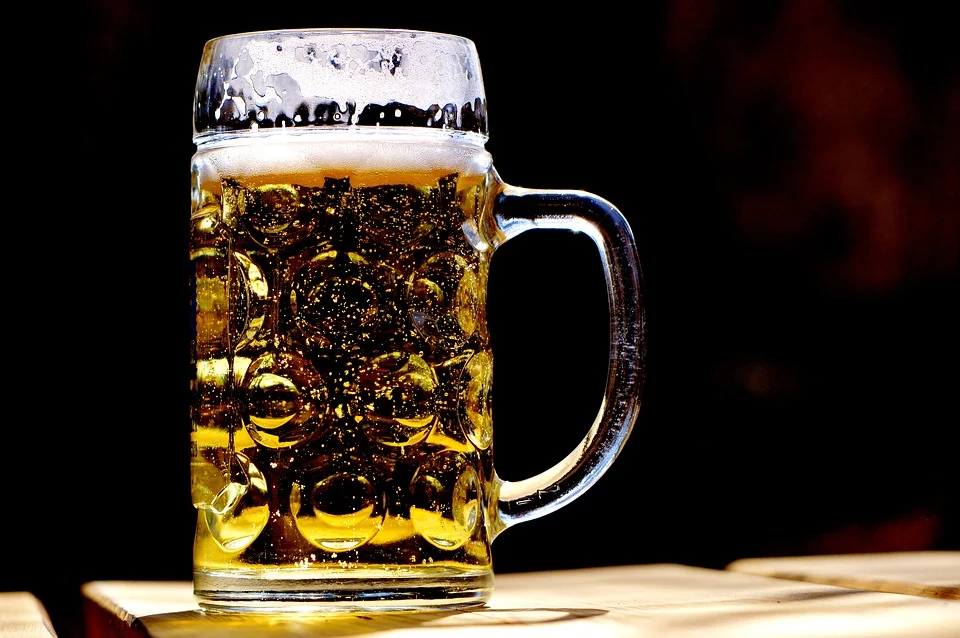
Saccharomyces cerevisiae with lactate dehydrogenase from Rhizopus oryzae is Generally Recognized As Safe for use in the manufacture of beer.
A genetically modified yeast, Saccharomyces cerevisiae with lactate dehydrogenase from Rhizopus oryzae, was named "Generally Recognized As Safe” (GRAS) by the FDA Office of Food Additive Safety on January 16, 2019, for use as a processing aid in beer manufacturing.