

The Vireo Advisors blog brings you the latest news and developments in safe, sustainable and bio-based materials and products including novel foods and sustainable nanomaterials.
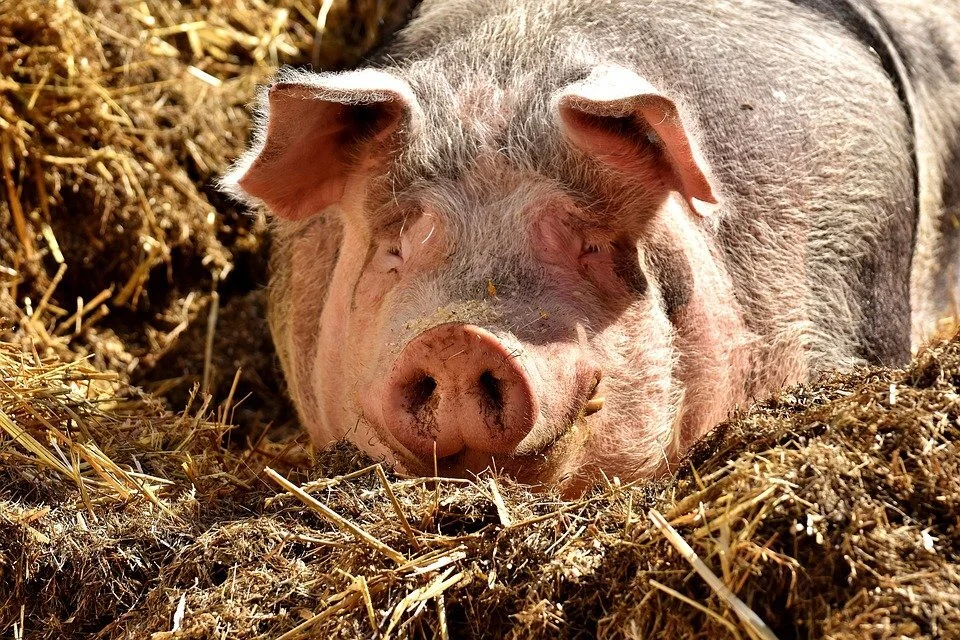
USDA Proposes to Oversee Regulatory Jurisdiction of Some Genetically Engineered Animals
A USDA advanced notice of proposed rulemaking (ANPRM) is seeking public comment on amending and clarifying regulatory jurisdiction over genetically engineered agricultural animals.

Steaks grown from human cells spark interest and outrage
Intended to satirically examine the increasing demand for meat products around the world, as well as to focus on environmental responsibility in the clean-meat industry, the installation has created a debated regarding bioethics.

The U.S. Endowment and the USDA Forest Service Announce $2 Million in Funding to Accelerate Cellulosic Nanomaterial Commercialization
The U.S. Endowment and the USDA Forest Service recently announced a new round of $2,000,000 in funding and related request for proposals (RFP) for their public-private partnership known as P3Nano.
Project Coordinated By Vireo Advisors at the OECD WPMN Publishes Final Reports on Advancing Adverse Outcome Pathway Development for Nanomaterial Risk Assessment and Categorization
The outcomes from an Organization for Economic Co-operation and Development (OECD) Working Party on Manufactured Nanomaterials (WPMN) project, “Advancing Adverse Outcome Pathway (AOP) Development for Nanomaterial Risk Assessment and Categorization” (NanoAOP) have been officially published in a series of final reports.
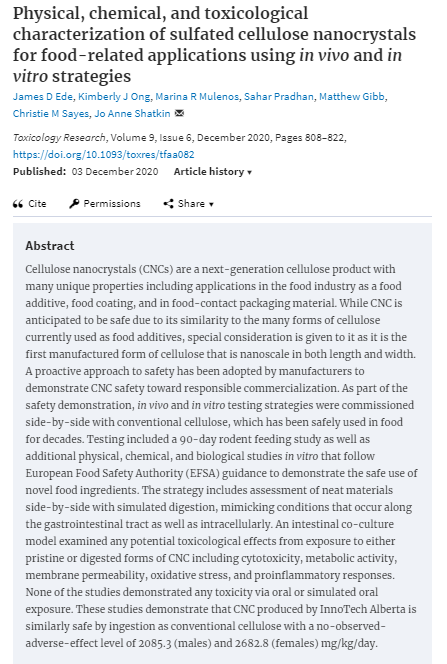
Vireo Publishes “Physical, chemical, and toxicological characterization of sulfated cellulose nanocrystals for food-related applications using in vivo and in vitro strategies”
Vireo Advisors, LLC, in collaboration with Baylor University and the Alliance for Food Safety Acceptance of Fibrillated and Crystalline Celluloses (AFSAC), has published “Physical, chemical, and toxicological characterization of sulfated cellulose nanocrystals for food-related applications using in vivo and in vitro strategies”, available in the journal Toxicology Research.